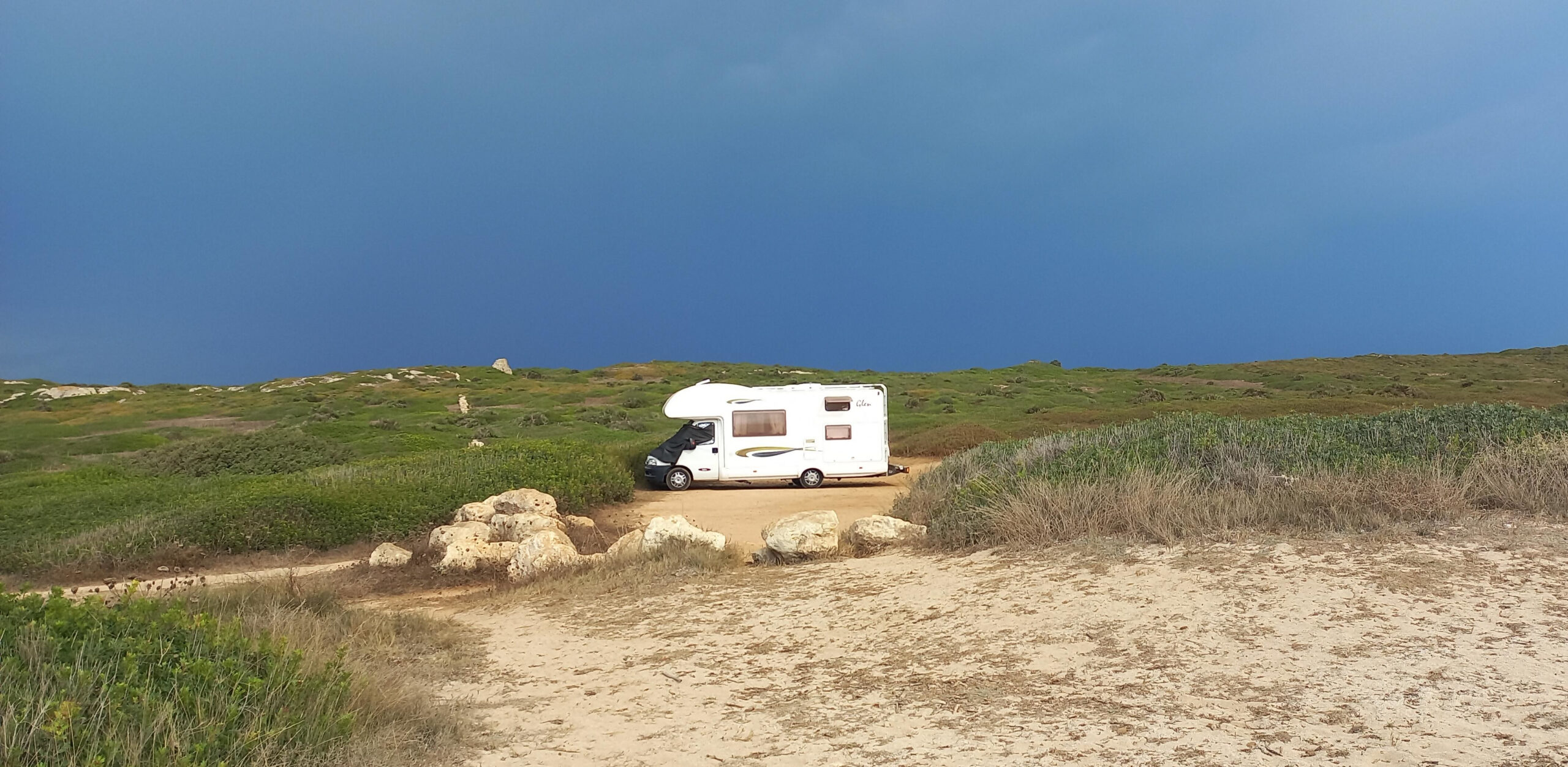

I’ve got a spare Bluetti EB3A—why not add it to Glen’s setup and take the Smart Camper vibe to the next level?
Smart Camper: Security
In preparation for the upcoming Baltic trip, I’m working on improving Glen’s security system. I decided on an Imou home alarm kit, as I already have several of their cameras installed in the camper.
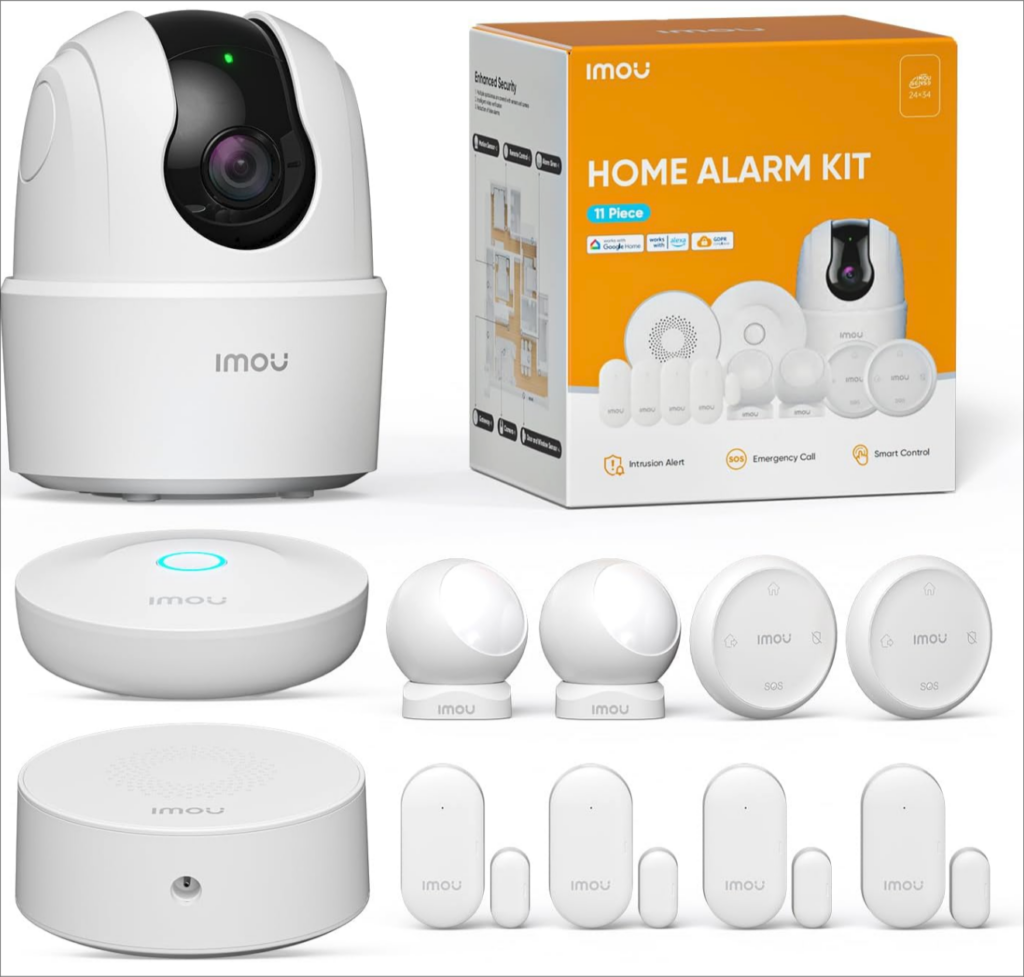
Since I already have an old Sikura alarm, I wanted to introduce some security redundancy.
All devices are connected to the main gateway that handles the automated scenes. In the event of an intrusion, a powerful siren is triggered, bringing the vehicle’s security up to true Smart Camper standards.
With the addition of these devices, I noticed a slight increase in idle power consumption, rising from 1.5Ah to about 2Ah.
While this isn’t an excessive jump and the 380Ah lithium battery handles it perfectly, why not try to optimize it even further?
Smart Camper: Bluetti
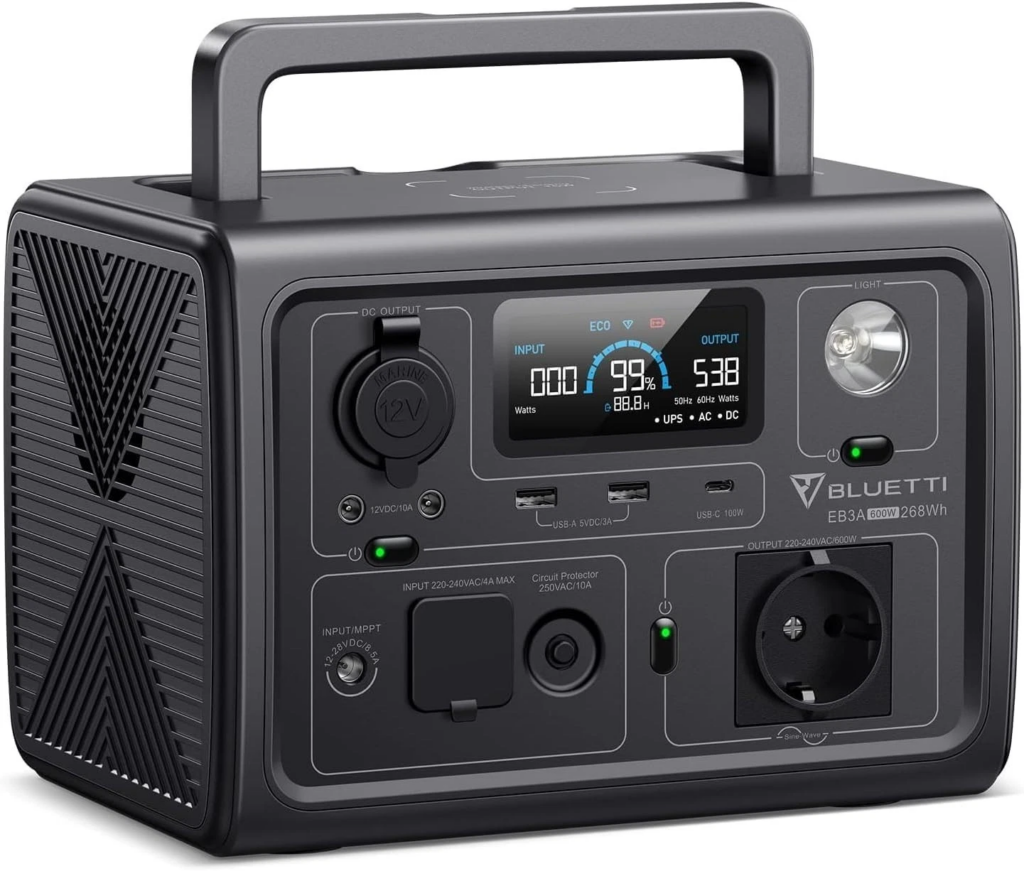
Since I had a Bluetti EB3A sitting unused in the garage, I wondered: why not use its 268.8Wh capacity to power Glen’s security system?
With about 20Ah of effective storage, the EB3A is perfect for this. I decided to connect not only the IMOU security devices but also the Teltonika RUT241 router to the power station.
This way, the internet connection is powered by an alternative source, independent of the main house battery.
Power draw sits at around 6-8Wh, including parasitic loss and efficiency factors, providing over 30 hours of autonomy.
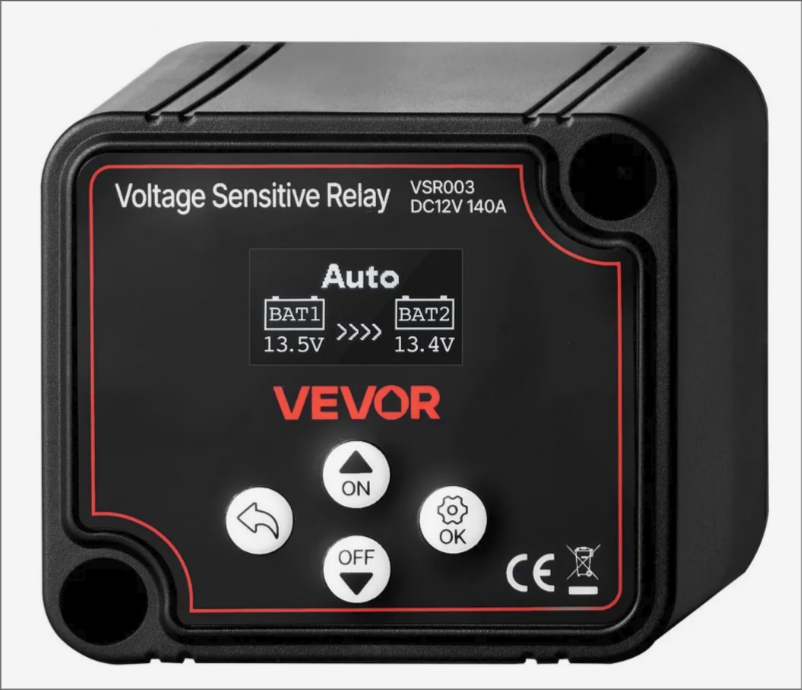
To charge the Bluetti, I’m using a Vevor Voltage Sensitive Relay (VSR) with programmable thresholds:
when the house battery reaches 13.8V (100% SOC), the system feeds the Bluetti via the DC charger (at about 100W). It then disconnects when the house battery drops below 13.4V (meaning there’s no solar input).
Additionally, I can charge the Bluetti via the AC input whenever the DStek inverter is on or when connected to shore power.
Smart Camper: Venus OS

The upgrade wouldn’t be worthy of a Smart Camper without integration with Venus OS, the heart of Glen’s entire system.
I developed a custom integration script for Venus OS that reads data via Bluetooth (using the bluetti-bt-lib installed via pip) and publishes it to the system’s dbus.
Unfortunately, the Bluetti EB3A does not provide real-time battery voltage in its registers. To work around this, I mapped standard LiFePO4 voltage values based on the State of Charge (SOC).
Incoming and outgoing amperage are calculated directly from the power station’s register data.
An additional smart feature automatically adjusts the charging mode (Normal, Silent, Turbo) based on the SOC to optimize efficiency.
The code is available on my GitHub repository.
Conclusions
Anyone who says their camper build is ‘finished’ is lying.
Tying separate devices into one ecosystem is probably overkill, but it’s a great learning experience for any true nerd.
Almost set for the next journey: Baltics, we’re ready for you!
Leave a Reply